Chilli Blade: A Font That Brings the Heat to Your Branding
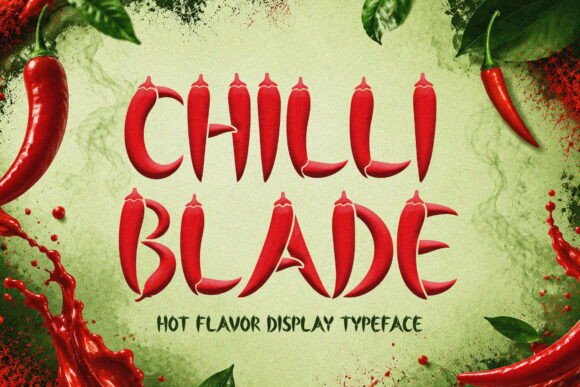
There's an unmistakable energy in the visual language of spicy food culture—the bold reds, the sharp angles, the immediate sense of intensity. That's precisely the feeling captured in Chilli Blade, a display typeface that doesn't just sit on the page; it makes a statement. This isn't your standard corporate font or delicate script. It's a handcrafted, organic design with curves and edges that mimic the fiery shapes of fresh chili peppers, built for projects that demand attention and personality.
If you've ever struggled to find typography that matches the bold, flavorful vibe of a hot sauce label, a street food brand, or a festival poster, this might be the creative asset you've been missing. Let's explore what makes this typeface tick and how you can use it to inject some serious visual heat into your work.
More Than Just a Pretty Typeface
At its core, Chilli Blade is a premium display font designed for impact. Its letterforms aren't geometric or sterile; they have a handcrafted, slightly irregular quality that feels authentic and energetic. The strokes have a confident weight, with sharp terminals and subtle curves that prevent it from feeling rigid. Think of it as the typographic equivalent of a chef's knife—functional, bold, and with a distinct edge.
This makes it a standout choice in the world of modern typography. While sans serif fonts excel at clean readability and serif fonts offer traditional authority, a creative font like this provides something different: character. It's the kind of typeface that can define a brand's voice before a single word is read, making it a powerful tool for visual identity.
Where This Fiery Font Truly Shines
The real value of any design asset is in its application. Chilli Blade isn't meant for body text in a novel or a technical manual. It's built for headline moments—those critical points where you need to grab attention and convey a specific mood instantly.
Consider these practical uses:
- Food Branding & Packaging Design: This is its natural habitat. Imagine a hot sauce bottle label, a snack bag for fiery chips, or the menu header for a Mexican grill. The font's personality immediately communicates the product's spicy profile.
- Logo Design & Brand Identity: For a restaurant, food truck, or culinary brand wanting a bold, expressive mark, this typeface can serve as the foundational element of a strong visual identity. Paired with a complementary sans serif for body copy, it creates a memorable system.
- Event Posters & Merchandise: Music festivals, food fairs, or sporting events with a "hot" theme can leverage its energy. It translates beautifully to T-shirts, hats, and posters, ensuring the design pops from a distance.
- Social Media Graphics & Digital Marketing: In a crowded feed, a bold headline using Chilli Blade can stop the scroll. It's perfect for announcement graphics, sale promotions, or food blog headers that need to stand out.
- Editorial & Web Design: Use it sparingly for pull quotes, section headers, or hero text on a website to inject personality without overwhelming the reader. It adds a layer of visual interest to blogs and online magazines focused on food, culture, or lifestyle.
Practical Tips for Using a Bold Display Font
Working with a typeface that has this much personality requires a thoughtful approach. Here’s some practical advice to ensure it enhances, rather than overwhelms, your project.
Font Pairing is Key: The most common mistake is using two highly decorative fonts together. Let Chilli Blade be the star. Pair it with a clean, neutral sans serif font or a simple serif font for body text. This contrast creates hierarchy and ensures your main message is both impactful and readable. For example, a bold "HOT SUMMER SALE" header in Chilli Blade followed by sale details in a font like Open Sans or Lato works perfectly.
Prioritize Readability: Because of its stylistic details, this font is best used at larger sizes. Avoid setting paragraphs in it. Test your designs at the intended viewing size—whether that's a 2-inch product label or a 10-foot banner—to ensure the letters remain clear and legible. Check how it looks on both screen and print, as details can render differently.
Match the Mood to the Goal: Ask yourself: does the brand or project have a playful, fiery, or rustic vibe? If the answer is yes, this is a great fit. For a project requiring quiet elegance or technical precision, you'd likely choose a different typeface. Always align your font choice with the core message and audience expectations.
Explore the Included Styles: A good commercial font often comes with stylistic alternates, ligatures, or multiple weights. Before you start designing, open the font file in a program like Adobe Illustrator or Photoshop and explore the glyphs panel. You might find alternative characters (like a different 'A' or 'E') that give you more creative flexibility and help you customize the look for each client.
From Concept to Commercial Use
For designers, entrepreneurs, and content creators, understanding licensing is crucial. Chilli Blade is typically sold as a premium font with a commercial license. This means you're not just buying the font files; you're purchasing the right to use them in projects that generate revenue—whether that's a client's logo, a product you sell, or merchandise for your own brand.
Always read the specific license agreement that comes with your purchase. It will clarify details like the number of users (seats) covered, whether it can be embedded in digital products like apps or e-books, and if it's permitted for use on print-on-demand sites. Investing in a properly licensed creative font protects you legally and supports the independent type designers who create these valuable design assets.
In a marketplace where visual noise is constant, choosing the right typography is a strategic decision. Chilli Blade offers a specific, powerful flavor that can elevate a brand, energize a campaign, and create an instant connection with an audience that appreciates boldness. It’s not just about looking good—it’s about communicating a feeling of heat, passion, and unmistakable character. When your project calls for that kind of intensity, having a font that can deliver it is invaluable.