Itsy Bitsy: A Font That Brings Bubbly Energy to Creative Projects
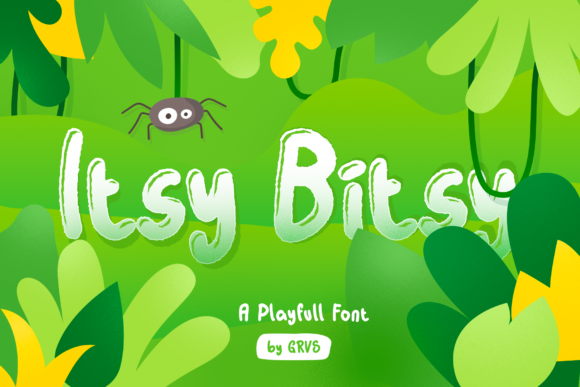
Sometimes a design needs more than just letters—it needs personality. Whether you're crafting a playful brand identity, designing a children's book cover, or putting together social media graphics that pop with energy, the typeface you choose sets the entire mood. Itsy Bitsy is a cool, bubbly and fun display font. Whether you are using it for cartoon-related designs, children’s games, quotes, titles, brand names, book covers, posters, or just any creation that requires a touch of beauty, this font is a great choice. It carries a lighthearted, approachable character that works surprisingly well across a range of creative and commercial applications.
What Makes This Typeface Stand Out
Itsy Bitsy isn't trying to be everything to everyone, and that's precisely what makes it effective. Its rounded letterforms, playful curves, and slightly inflated proportions give it a distinctly friendly and approachable vibe. Think of it as the typographic equivalent of a warm smile—it immediately puts people at ease and communicates approachability without saying a word.
Unlike rigid sans serif fonts or overly formal serif typefaces, this display font leans into fun without sacrificing legibility. The characters are well-spaced, the weight is balanced, and the overall rhythm of the text feels inviting. For anyone working on projects aimed at families, younger audiences, or brands that want to feel welcoming and energetic, this kind of visual warmth is invaluable.
What also sets it apart is versatility within its playful niche. It doesn't look cartoonish to the point of being childish. Instead, it strikes a balance that works for both kid-focused content and adult-oriented brands that simply want a more relaxed, contemporary feel. That's a sweet spot many creative fonts struggle to hit.
Where It Fits Best: Real-World Applications
The beauty of a font like Itsy Bitsy lies in how many different contexts it can serve. Here are some practical ways designers, entrepreneurs, and content creators are putting display fonts with this kind of personality to work:
- Branding and Logo Design: If your brand identity leans playful, creative, or family-friendly, this typeface can become a cornerstone of your visual language. It works particularly well for bakeries, toy shops, children's clothing lines, craft studios, and lifestyle blogs that embrace a cheerful aesthetic.
- Packaging Design: On shelf or on screen, packaging needs to grab attention fast. A bubbly, memorable typeface helps products stand out, especially in crowded categories like snacks, cosmetics aimed at younger consumers, or artisan goods with a handmade feel.
- Social Media Graphics: Instagram stories, Pinterest pins, and TikTok overlays all benefit from bold, readable typography with character. Itsy Bitsy brings enough visual interest to stop the scroll without overwhelming accompanying imagery or copy.
- Invitations and Event Materials: Birthday parties, baby showers, school events, community gatherings—any occasion that calls for a celebratory tone benefits from a font that feels joyful and inviting.
- Editorial Layouts and Book Covers: Children's book titles, magazine headers, and blog post graphics all become more engaging when the typography carries personality. This font pairs beautifully with illustration-heavy layouts.
- Merchandise and Print Products: Tote bags, mugs, stickers, greeting cards, and posters often rely on type to carry the design. A creative font like this one adds instant charm to physical products.
- Websites and Digital Products: While display fonts aren't ideal for body text, they shine in hero sections, navigation accents, call-to-action buttons, and digital product covers where you want to make an immediate impression.
Pairing Itty Bitsy With Other Fonts
No typeface works in isolation. Even the most personality-rich display font needs supporting players to create a complete typographic system. The key to successful font pairing is contrast without conflict.
Since Itsy Bitsy brings bold, rounded energy, consider pairing it with a clean, simple sans serif for body text. Something like a modern sans serif with generous spacing will let the display font take center stage while keeping longer passages readable. If your project calls for more editorial sophistication, a classic serif font can create an interesting tension—playful headers balanced by elegant body copy.
When testing pairings, set them side by side at actual sizes you'll use. A header font that looks perfect at 48 pixels might clash with your body font at 16 pixels if their visual weights are too similar. Look for clear hierarchy: the display font should dominate headlines and short bursts of text, while the secondary font handles everything else.
Also pay attention to mood alignment. Pairing a bubbly display font with a stark, geometric sans serif can work beautifully if the contrast feels intentional. Pairing it with another playful script font, on the other hand, often creates visual noise. Aim for one star per layout.
Readability and Professional Presentation
One common concern with display fonts is whether they sacrifice readability for style. With Itsy Bitsy, the letterforms remain distinct enough to read at headline sizes, which is exactly where a display typeface should live. That said, smart designers always test their typography in context.
Check how the font renders on different screens and at various sizes. Pull up a mockup on your phone, your laptop, and—if it's for print—on a printed proof. Some characters in bubbly fonts can blur together at small sizes, particularly letters like 'a' and 'o' or 'c' and 'e.' At display sizes, this font maintains clarity, which is what you want.
Color contrast matters too. Light text on a light background or reversed-out type on busy images can undermine even the most legible font. Always ensure sufficient contrast between your typography and its background, and consider adding subtle drop shadows or background overlays when placing text over photographs.
For commercial projects, readability isn't just an aesthetic concern—it directly impacts engagement, conversion, and brand perception. A beautiful font that people can't quickly parse defeats the purpose. Itsy Bitsy handles this well for its intended use cases, but always design with your specific audience and medium in mind.
Understanding Licensing and Commercial Use
Before using any premium font in a commercial project, take a few minutes to review the licensing terms. This is one of those details that's easy to overlook but important to get right. Most commercial font licenses cover a specific set of uses—desktop installation, web embedding, app integration, or merchandise production—and the terms vary between foundries and distributors.
If you're designing for a client, make sure the license covers their intended use. If you're creating merchandise or digital products for sale, confirm that the license permits those applications. Some licenses are per-user, others are per-project, and a few offer unlimited commercial use. Understanding these distinctions protects both you and your clients from potential issues down the road.
It's also worth noting that investing in a quality commercial font often saves money long-term. Free fonts can be tempting, but they frequently come with unclear licensing, limited character sets, or missing weights. A well-made premium font typically includes multiple styles, thorough character coverage, and clear licensing—giving you a reliable design asset you can use confidently across projects.
Making the Most of Your Font Choice
Choosing a typeface is just the beginning. How you use it determines whether your design feels polished or haphazard. Start by establishing clear typographic rules for your project: which font handles headlines, which handles body text, what sizes and weights you'll use, and how spacing and alignment should work.
Consistency is what separates amateur layouts from professional ones. If you're building a brand identity, document your typography choices in a simple style guide. Include your primary and secondary fonts, recommended sizes, color pairings, and examples of proper usage. This becomes invaluable as your brand grows and more people contribute to your visual content.
Don't be afraid to experiment with weight, scale, and color. A display font like Itsy Bitsy can look dramatically different in all caps versus mixed case, in a bold coral versus a soft lavender, at 24 points versus 72 points. Play with these variables during the design process to find combinations that feel right for your specific project.
Ultimately, the best font choice is one that serves your communication goals while resonating with your intended audience. For projects that need warmth, playfulness, and visual charm, Itsy Bitsy delivers a distinctive voice that's hard to replicate with more conventional typefaces. Whether you're launching a new brand, refreshing your social media presence, or designing packaging that jumps off the shelf, having a creative font like this in your toolkit opens up possibilities that more neutral fonts simply can't match.