Doodle Clover: A Playful Font for Cheerful Designs
You know that feeling when a design just needs a spark of joy? Not a subtle, sophisticated hint, but a genuine, unapologetic burst of happiness. That's the exact energy a font like Doodle Clover brings to the table. This isn't your typical, formal typeface. It's a display font with a hand-drawn, quirky personality that feels like it was sketched with a smile. For anyone working on projects aimed at children, families, or any audience that appreciates whimsy, finding the right creative font can be the difference between a design that's merely functional and one that truly connects.
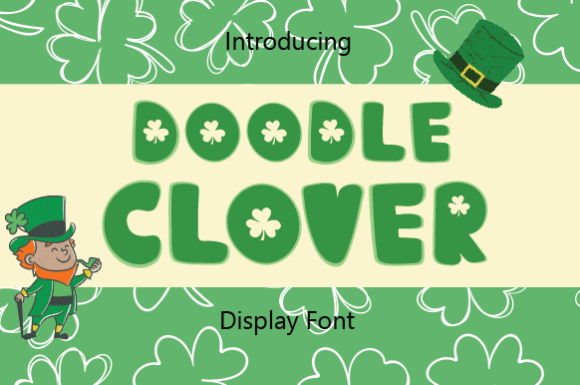
At its core, Doodle Clover is defined by its playful imperfections. The letterforms have a casual, doodled quality—think of the charming sketches you might find in a child's notebook or on a café chalkboard. This style makes it incredibly effective for conveying warmth, approachability, and fun. It’s a premium font that avoids the stiffness of corporate typefaces, instead offering a human touch that can make a brand or project feel more relatable and inviting. When you pair it with the right visuals, it doesn't just display words; it sets a mood.
Where This Quirky Typeface Truly Shines
The real test of any design asset is its practical application. A font can look beautiful in a specimen sheet, but how does it perform in the wild? For Doodle Clover, its strengths are most evident in projects that benefit from a lighthearted, energetic vibe. It’s a specialist, not a generalist, and that’s where its value lies.
Consider brand identity for a local children's bookstore, a kids' yoga studio, or a family-friendly bakery. Using this handwritten font for the logo or primary headlines instantly communicates the brand's personality without a single word of explanation. It tells customers, "We're friendly, creative, and here to have a good time." This immediate recognition is a powerful tool for brand recognition. The font becomes part of the brand's visual language.
Beyond logos, its applications are surprisingly diverse:
- Packaging Design: Imagine snack packaging for kids or artisanal jam labels. Doodle Clover can make the product jump off the shelf with its playful appeal.
- Social Media Graphics: In a crowded feed, its unique style helps posts stand out. It's perfect for announcements, quotes, or promotional graphics for events like summer camps or birthday parties.
- Invitations & Stationery: For birthday invitations, baby shower cards, or thank-you notes, it adds a personal, celebratory touch that formal fonts can't match.
- Merchandise: T-shirts, tote bags, and stickers aimed at a younger demographic (or the young at heart) benefit enormously from a font that feels fun and custom-made.
- Website & Blog Headers: While not for body text, using it for key headings on a parenting blog or a toy shop website can inject personality and improve audience engagement by setting the right tone from the first glance.
Making It Work: Practical Design Advice
Using a display font like Doodle Clover effectively requires a bit of strategy. Its strength is its personality, but that also means it has specific rules of engagement. The goal is to harness its energy without overwhelming your design or sacrificing clarity.
First, readability is paramount. This font is designed for short bursts of text—headlines, subheadings, logos, and call-to-action buttons. Trying to set a full paragraph in it would be a mistake, as the intricate, decorative details can cause eye strain over long passages. Its job is to attract attention, not to hold it for extended reading. Always pair it with a clean, simple sans serif font or even a highly legible serif font for body copy. A combination like Doodle Clover for headings and a font like Open Sans or Lora for paragraphs creates a balanced, professional presentation that guides the reader's eye effectively.
Second, match the font to your project's core message. Ask yourself: Does my project require a serious, authoritative tone? If yes, Doodle Clover is likely not the right choice. But if the goal is to evoke joy, creativity, nostalgia, or playfulness, then you're on the right track. It’s about visual consistency—every element of your design, including typography, should tell the same story.
Finally, explore the full family. Many premium fonts like this come with multiple styles—perhaps a regular weight, a bold version, or even stylistic alternates that offer different swashes or ligatures. Reviewing the included options allows you to add variety and emphasis within your typography while maintaining a cohesive look. Before finalizing any project, test the font in context. See how it looks in your specific color palette, at the sizes you'll use, and alongside your other font pairings. A quick mock-up can save you from a headache later.
A Final Thought on Creative Assets
In the world of design, having the right tools at your disposal makes all the difference. A creative font like Doodle Clover is more than just a set of letters; it's a shortcut to a specific emotional response. It allows a small business owner to craft a brand that feels authentic and joyful without needing a massive budget. It gives a content creator the ability to produce social media graphics that truly pop. For designers, it’s a valuable addition to your library of design assets, ready to be deployed for the right project.
Just remember to check the licensing. If you're using it for commercial work—like client logos, merchandise for sale, or marketing assets—ensure you have the appropriate commercial font license. This protects both you and the font creator. When chosen thoughtfully and applied wisely, a typeface with this much character doesn't just fill space; it becomes a memorable part of the experience you're creating. It turns a simple design into something that feels, well, a little more like a doodle on a sunny day.