Festive Charm: A Sweet Display Font for Holiday Magic
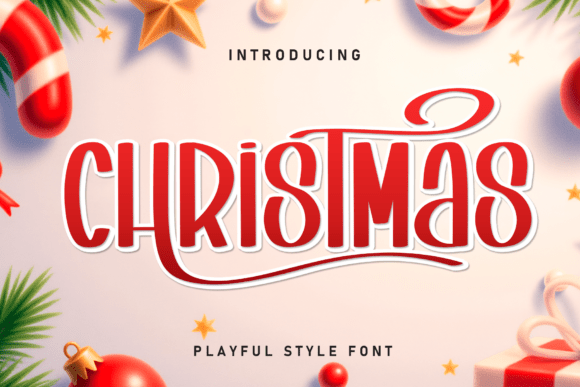
There's something about the Christmas season that makes us want to wrap everything in warmth and whimsy. From handwritten notes tucked into gift bags to storefront windows dripping with personality, the visual language of the holidays is unmistakable. But capturing that feeling in a design project—whether it's a wedding invitation in December or a cozy brand identity for a bakery—requires more than just red and green. It demands a typeface that carries the same emotional weight as a string of twinkling lights or the curve of a candy cane. That's where a hand-sketched display font with a sweet, friendly character can become your secret weapon.
Why Hand-Sketched Fonts Feel So Human
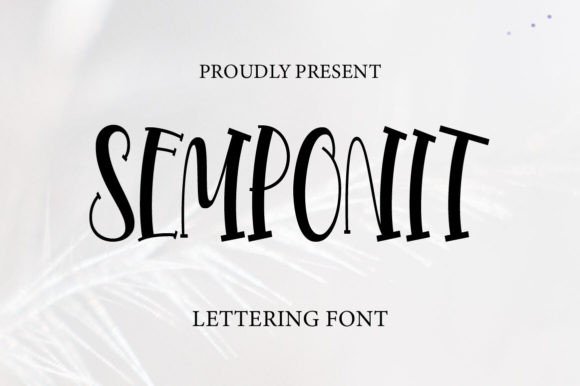
There's a reason hand-lettered designs stop people mid-scroll. They carry imperfection, warmth, and a sense of the personal that polished sans-serif typefaces often miss. A font that mimics the gentle wobble of a pencil stroke or the soft loops of cursive written on a Sunday afternoon taps into something deeply nostalgic. For projects tied to Christmas—greeting cards, holiday menus, seasonal packaging—that handmade quality bridges the gap between professional design and heartfelt intention.
But this kind of font isn't limited to December. Think about a small-batch candle company branding its lavender collection, or a wedding planner designing save-the-dates for a spring garden ceremony. The same whimsical charm that suits a Christmas card also works beautifully for projects that need to feel approachable, joyful, and a little bit playful. It's a typeface that doesn't take itself too seriously, yet still manages to look intentional and polished.
Real-World Applications That Actually Work
Let's get specific. A hand-sketched display font like this one shines in situations where you need to communicate warmth without sacrificing clarity. Here are some practical scenarios where it earns its place in your design toolkit:
- Wedding invitations and stationery: The soft curves and friendly letterforms create an immediate sense of intimacy. Pair it with a clean serif or sans-serif for body text, and you've got an invitation suite that feels both elegant and personal.
- Small business branding: Bakeries, florists, boutique gift shops, artisan food brands—any business that wants to feel handmade and approachable can use this font style in logos, packaging, and signage. It tells customers, "We care about the details."
- Social media graphics: Instagram posts, Pinterest pins, and Facebook headers all benefit from typefaces that grab attention quickly. A whimsical display font on a quote graphic or sale announcement adds personality that stock fonts simply can't match.
- Blog headers and editorial design: Lifestyle bloggers, recipe creators, and DIY content makers can use it to create eye-catching headers that set the tone for their content without feeling generic.
- Packaging and product labels: Whether you're designing a jam label or a holiday gift tag, a font with hand-sketched character adds shelf appeal and communicates quality craftsmanship.
- Print materials and posters: Event flyers, farmers' market signage, charity gala programs—anywhere you need to catch a passerby's eye and convey a friendly, welcoming vibe.
- Digital products and marketing assets: E-book covers, email headers, lead magnets, and course branding all benefit from a typeface that feels distinctive and memorable.
Matching Typography to Your Project's Personality
Choosing the right font isn't just about aesthetics—it's about alignment. Every design project has a personality, and your typography needs to match it. A whimsical, hand-sketched display font works best when the project calls for warmth, approachability, and a touch of playfulness. It's not the right choice for a law firm's annual report, but it's perfect for a children's book cover, a holiday pop-up shop, or a community event poster.
Before committing to any typeface, ask yourself a few questions:
- What emotion should this design evoke? If the answer is joy, nostalgia, friendliness, or celebration, a sweet display font fits naturally.
- Who is the audience? This font resonates with people who appreciate craftsmanship, warmth, and personality. It's ideal for consumer-facing brands and creative projects rather than corporate or institutional contexts.
- How will it be used at scale? Display fonts are designed for headlines, logos, and short bursts of text. They're not meant for paragraphs. Plan your pairings accordingly.
Speaking of pairings, this is where the real magic happens. A whimsical display font needs a grounding partner—something clean and readable for body copy. A simple sans-serif like a geometric or humanist typeface works well, as does a classic serif for projects that lean more traditional. Test your combinations at different sizes and on different backgrounds before finalizing. What looks charming at 48 pixels on your laptop screen might feel cluttered at 14 pixels on a printed menu.
Building Visual Consistency Across Touchpoints
One of the most overlooked aspects of brand identity is typographic consistency. When a small business uses five different fonts across its website, social media, packaging, and printed materials, the result feels fragmented and unprofessional. A distinctive display font can serve as the anchor for your brand's visual voice—the element people recognize instantly, even before they read the words.
Imagine a boutique chocolate shop that uses this hand-sketched font on its logo, its product labels, its Instagram story templates, and its in-store signage. Customers begin to associate that particular letterform style with the brand itself. That's the kind of recognition that doesn't come from a generic typeface pulled from a default font library. It comes from choosing a premium font with enough character to stand out, and then using it consistently across every touchpoint.
Consistency also improves readability over time. When your audience becomes familiar with your typographic choices, they process your content faster and with less cognitive effort. That's a real competitive advantage in a world where people scroll past hundreds of designs every day.
Practical Considerations Before You Commit
Before downloading and deploying any new typeface, there are a few practical details worth reviewing:
- Check the license: If you're using the font for commercial projects—client work, products for sale, branded materials—make sure the license covers that use. Many premium fonts include commercial licensing, but it's always worth confirming before you build a brand identity around a typeface you might not have rights to use commercially.
- Review the included styles: Some display fonts come with multiple weights, alternates, ligatures, or stylistic sets. Understanding what's included helps you get the most value and variety from a single typeface family.
- Test on real content: Don't just type "The quick brown fox" and call it done. Set actual headlines, product names, or taglines from your real projects. See how the font handles different letter combinations, word lengths, and contexts.
- Consider multilingual support: If your audience includes speakers of languages with accented characters or non-Latin scripts, verify that the font includes the glyphs you need.
A typeface is one of the most cost-effective design assets you can invest in. Compared to custom illustration, professional photography, or a full brand identity overhaul, a well-chosen font can transform the look and feel of your entire visual presence for a fraction of the price. The key is choosing one that genuinely fits your project's personality—and then using it with intention and consistency.
Whether you're designing Christmas cards for your family, building a brand identity for a new creative business, or simply looking for a typeface that brings a little more warmth to your work, a hand-sketched display font with sweet, friendly character is worth exploring. It won't solve every design challenge, but for the right project, it can be the detail that turns a good design into one that makes people smile.