Vintage Font: Your Go-To Typeface for Modern Creative Projects
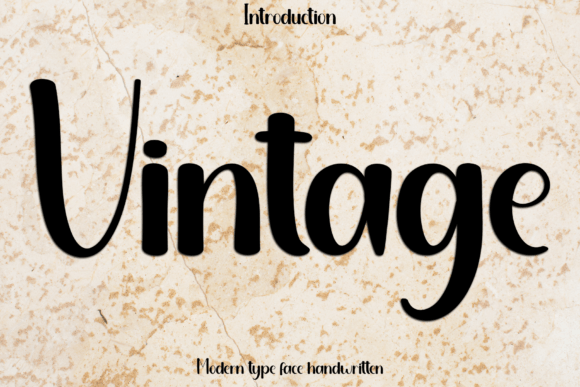
You know that feeling when you find a tool that just works? Not something flashy or overcomplicated, but something that feels right from the first click. That's what discovering a great display font can be like. It becomes your secret weapon for making designs feel polished, intentional, and unmistakably yours. If you've been searching for a typeface that bridges the gap between classic charm and contemporary versatility, Vintage might be the answer you didn't know you were looking for.
Understanding the Visual Appeal
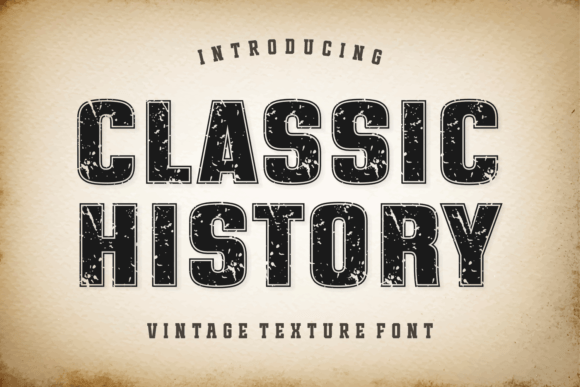
At first glance, Vintage strikes a balance that's hard to nail. It carries a certain weight and character reminiscent of classic serif fonts, but its clean lines and modern proportions keep it from feeling dated or stuffy. Think of it as the typography equivalent of a well-tailored jacket—it has structure and personality, but it doesn't scream for attention. This makes it incredibly adaptable. Whether you're designing a logo for a new coffee roastery, laying out an editorial spread for a lifestyle magazine, or creating social media graphics for a boutique clothing brand, this typeface brings a sense of sophistication without pretension.
What makes it particularly useful is its range. A good premium font often comes with multiple styles—bold, light, italic, condensed—and Vintage is no exception. This variety within a single font family allows you to create visual hierarchy and consistency across a project without needing to mix and match from different typefaces. You can use a bold weight for headlines, a regular weight for body text in certain contexts, and an italic for emphasis, all while maintaining a cohesive look. This is crucial for brand identity, where every touchpoint needs to feel connected.
Practical Applications Across the Board
Let's talk about where you can actually use this. The applications are broader than you might initially think. For small business owners, it's a solid choice for logo design. A logo sets the tone for everything, and a display font with character helps a brand stand out in a crowded market. Imagine a bakery using Vintage for its wordmark—it immediately conveys a sense of tradition and quality, which can be a powerful part of the brand story.
Packaging design is another area where typography makes or breaks a product's shelf appeal. Whether you're designing labels for artisanal goods, cosmetic products, or specialty foods, the right typeface communicates the product's value at a glance. Vintage works well here because its aesthetic suggests craftsmanship and care, attributes consumers often associate with higher-quality items.
For digital creators and marketers, the font is a versatile asset for social media graphics and web design. Consistent typography across Instagram posts, Facebook ads, and website headers helps build brand recognition. When your audience sees a familiar font style, they start to associate it with your content, which strengthens your visual identity over time. It's not just about looking good; it's about being remembered.
Enhancing Your Projects with Smart Typography
Using a font effectively goes beyond just liking how it looks. It's about matching the typeface to your project's goals and ensuring it performs well in its intended context. For instance, while a script font or handwritten font might be perfect for a wedding invitation, it could be a nightmare for a blog post body text. Vintage, as a display font, shines in headlines, titles, and short bursts of text where its personality can be appreciated. For longer paragraphs, you'd typically pair it with a highly readable sans serif font or a simple serif font to maintain clarity.
This brings up the important practice of font pairing. A common strategy is to combine a decorative display font with a neutral, functional one. You might use Vintage for all your headings and subheadings, then use a clean sans serif like Helvetica or Open Sans for body copy. This creates a dynamic visual rhythm that guides the reader's eye and keeps the layout from feeling monotonous. Always test your pairings in context—see how they look on a mobile screen, in a printed brochure, or as part of a logo mockup.
Readability is paramount. A font can be beautiful, but if people struggle to read it, it fails its primary function. Consider the size at which you'll be using it. Display fonts are designed for larger sizes, so they may lose legibility when shrunk down for fine print. Always review the full character set of the font you choose. Does it include all the punctuation and symbols you need? Are the letterforms distinct enough to avoid confusion, especially with characters like 'I', 'l', and '1'?
From Personal Projects to Professional Branding
The line between personal and commercial projects is often blurred, especially for freelancers, entrepreneurs, and content creators. You might start by using a font for a personal blog or a friend's wedding invitations, but then realize it's perfect for a client's marketing materials. This is where understanding font licensing becomes critical. Most premium fonts come with a commercial license that permits use in projects that generate revenue—like logos, merchandise, and digital products. Always check the license details before using a font in a client project or for sale. It's a small step that protects you legally and respects the work of the type designer.
Think of your typography as part of your design toolkit. Just as you'd invest in good software or a reliable camera, investing in a quality commercial font can elevate the professionalism of your output. It signals to clients and audiences that you pay attention to detail. For editorial design, such as magazines or lookbooks, a typeface like Vintage can help establish a distinct tone, whether it's retro-inspired, elegant, or boldly modern. It sets the mood before a single word is read.
Ultimately, the goal is to create a seamless visual experience. When your typography aligns with your imagery, color palette, and overall message, everything clicks into place. Your designs feel more cohesive, your brand becomes more recognizable, and your audience engages more deeply because the visual presentation feels intentional and trustworthy. It's not about following rigid rules, but about making informed choices that serve your creative vision and practical needs. Finding a font that fits well into that process is a genuinely useful discovery.