Jack Angle: Injecting 70s Groove into Modern Branding
There is a distinct magnetic pull to the typography of the 1970s. It captures an era defined by expressive movement, bold curves, and a sense of confident style that modern minimalist designs often lack. If you are looking to channel that specific kind of energy—the warmth of a vinyl cover or the dynamic flair of a retro movie poster—into your current projects, you need a typeface that understands that history while functioning perfectly in today’s digital landscape. Enter Jack Angle, a bold retro italic serif font that bridges the gap between nostalgic vintage design and contemporary visual communication. It is not just a collection of letters; it is a mood, a vibe, and a powerful tool for anyone looking to make a statement.
The Visual Language of a Bold Display Typeface
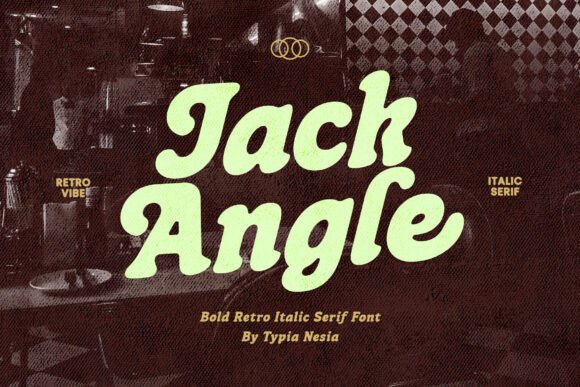
Jack Angle distinguishes itself through a combination of strong serif details and a dynamic, forward-leaning italic movement. Unlike standard serif fonts that can feel rigid or corporate, this typeface features bold curves and inked-style proportions that feel handcrafted and authentic. The "inked" appearance is particularly crucial here; it adds a layer of texture and warmth that digital fonts often struggle to replicate. When you set a headline in Jack Angle, you aren't just displaying information; you are creating an atmosphere. The characters possess a rhythmic flow that guides the eye, making it an excellent choice for display typography where first impressions matter most.
For designers and business owners, the visual weight of a font dictates how a message is received. Because Jack Angle is a display font, it is engineered to be seen. It commands attention in large formats, making it ideal for hero sections on websites, large-scale posters, and signage. However, its legibility in these larger contexts is where it truly shines, offering a stylish and expressive character that feels both timeless and energetic. It avoids the trap of being "too retro" to be functional, striking a balance that allows it to fit into various aesthetic categories, from vintage revival to modern eclectic.
Practical Applications: From Packaging to Digital Screens
The versatility of a premium font lies in its ability to adapt to different mediums without losing its personality. Jack Angle excels across a wide range of creative applications, making it a valuable addition to any designer’s toolkit.
Branding and Logo Design: A logo needs to encapsulate a brand's identity instantly. If your brand identity leans toward being approachable, energetic, vintage-inspired, or artisanal, Jack Angle provides the perfect foundation. Its italic movement suggests progress and dynamism, while the serif structure maintains a sense of tradition and reliability. It works beautifully for coffee shops, barbershops, boutique clothing lines, or any business that prides itself on "old-school" craftsmanship.
Packaging Design: On the shelf, packaging has about three seconds to grab a consumer's attention. The inked charm of this typeface adds a tactile quality to printed materials. Imagine this font on coffee packaging, craft beer labels, or organic food products. It suggests that the product inside is made with care and attention to detail, leveraging the "handcrafted" aesthetic that is so popular in current packaging design trends.
Digital and Social Media: In the fast-scrolling environment of Instagram, TikTok, or Pinterest, standard sans-serif fonts can easily be overlooked. Using a creative font like Jack Angle for social media graphics helps stop the scroll. It is particularly effective for quote cards, sale announcements, and YouTube thumbnails where bold text is necessary to convey the message without relying solely on the image.
Print and Editorial: While it is a headline font, its roots in classic typography make it a strong contender for editorial design. Think of magazine covers, pull quotes in a feature article, or the title page of a menu. It brings a level of sophistication mixed with playfulness that standard fonts like Helvetica or Times New Roman cannot achieve.
Strategic Typography: Improving Brand Recognition
Choosing a font is a strategic decision that impacts brand recognition. When you consistently use a distinct typeface like Jack Angle across your marketing assets, you build a visual shorthand for your audience. They begin to associate the style of the typography with your brand's voice before they even read the words.
This consistency is vital for professional presentation. A mismatch in typography can make a brand look disjointed—imagine a serious law firm using a bubbly cartoon font; it creates cognitive dissonance. Conversely, if you run a creative agency or a lifestyle blog, a stiff, corporate font might make you seem unapproachable. Jack Angle helps solve this by offering a personality that is distinct yet adaptable. It improves audience engagement because it feels human and expressive, inviting the reader in rather than pushing them away with cold, mechanical precision.
Furthermore, the readability of display fonts is often a concern. While Jack Angle is not intended for long paragraphs of body text (for which you would pair it with a clean sans serif font), it maintains high legibility for short bursts of text. The letterforms are distinct enough that individual characters are easily recognizable, preventing the "muddy" look that some decorative fonts suffer from when printed or viewed on lower-resolution screens.
Mastering Font Pairings and Workflow
No font is an island. To get the most out of Jack Angle, you need to consider font pairing. Because Jack Angle has such a strong personality—bold, italic, and retro—it needs a partner that can play a supporting role without competing for the spotlight.
The best approach is to pair it with a neutral, geometric sans serif font or a clean modern typography style for your body copy. Think of fonts like Montserrat, Lato, or Open Sans. These fonts provide a clean canvas that allows the flair of Jack Angle to pop. For example, use Jack Angle for your H1 headers and sub-headers, and a simple sans-serif for the paragraph text. This contrast creates a visual hierarchy that makes your design easier to navigate and more aesthetically pleasing.
When integrating this font into your workflow, consider the following practical tips:
- Context Matters: Always view the font in the context of your specific project. A font that looks great on a black background might look different on a textured paper mockup.
- Spacing is Key: Because Jack Angle has italic movement and bold curves, you may need to adjust your kerning (letter spacing) and leading (line spacing) manually. Display fonts often benefit from slightly looser tracking to let the unique shapes breathe.
- Review Included Styles: Check if the font family comes with different weights or styles. While the core appeal is the bold italic, having access to a regular weight or a condensed version can be helpful for creating a cohesive system across different layout sizes.
Commercial Licensing and Project Goals
Before downloading and using any design assets, it is non-negotiable to understand the licensing. Most premium fonts like Jack Angle come with specific terms regarding commercial use. Whether you are a freelance designer creating a logo for a client, or a business owner creating your own brand identity, you must ensure you have the correct license.
Typically, a license will specify if it covers:
- Desktop Use: For printed materials, logos, and merchandise.
- Web Use: For embedding the font in your website’s CSS (often measured by page views).
- App/E-pub Use: For embedding in mobile applications or digital books.
Always review the End User License Agreement (EULA). If you are designing merchandise like T-shirts or mugs where the text is the primary design element, some licenses require an "extended" license. Ensuring you are covered protects both you and your client from legal issues down the road. It also ensures that the type designers are compensated for their work, allowing them to continue creating high-quality design assets for the community.
Bringing Retro Groove to Life
Ultimately, the goal of using a font like Jack Angle is to inject life into your visual communication. In a market saturated with generic, minimalist templates, a bold retro italic serif stands out as a declaration of style. It tells your audience that you value aesthetics, that you appreciate the roots of design, and that you are confident enough to be expressive.
Whether you are designing a poster for a local music festival, branding a new artisanal coffee shop, or refreshing your blog’s visual identity, this typeface offers a solution that is both practical and evocative. It provides the visual consistency needed for a professional look while delivering the "groove" necessary to capture the spirit of the 70s. By pairing it wisely and using it intentionally, you can transform a standard layout into a memorable piece of visual storytelling. Jack Angle isn't just a font; it's a bridge between the golden age of typography and the creative demands of the modern web.