Chalkboard Charm: A Typeface That Brings Classroom Nostalgia to Modern Design
There's something undeniably warm about the aesthetic of a schoolroom chalkboard—the dusty textures, the colorful chalk drawings, the sense of discovery and play. Chalkboardcharm Regular captures that feeling perfectly, packaging it into a versatile display font that designers and creators are reaching for when they need a dose of lighthearted personality. This isn't just another novelty typeface collecting digital dust in a font folder. It's a thoughtfully crafted design asset that bridges retro serif structure with contemporary creative needs, making it surprisingly useful across a wide range of projects.
What Makes This Typeface Visually Distinctive
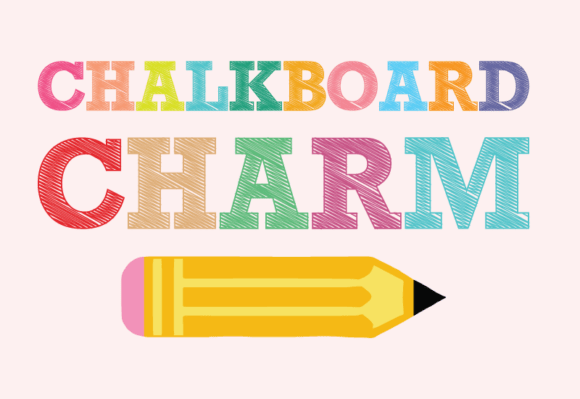
At first glance, Chalkboardcharm Regular feels familiar—its uppercase letterforms carry the solid confidence of traditional slab serifs, the kind you'd see on vintage school posters or old textbook covers. But look closer, and the details reveal themselves. Each character features textured fill patterns: cross-hatching, line shading, and subtle imperfections that mimic the look of chalk pressed against a rough board or the uneven strokes of a crayon. It's this tactile quality that sets it apart from clean, polished display fonts that dominate most font libraries.
What really brings the design to life is the color treatment. Every letter is assigned a different hue from an energetic rainbow palette—think the bright primary and secondary colors you'd find in a box of classroom chalk. Paired with a charming pencil illustration that often accompanies the font in promotional materials, it immediately communicates creativity, imagination, and youthful energy. For anyone working on projects aimed at children, families, or educational audiences, this visual language does a lot of the heavy lifting before you even start typing.
Where This Font Actually Works in Real Projects
The beauty of a typeface like Chalkboardcharm Regular lies in its specificity. It isn't trying to be everything to everyone—and that's exactly why it works so well for certain applications. Here are some practical contexts where it genuinely shines:
- Back-to-school campaigns — Whether you're designing flyers for a tutoring service, promotional materials for a school supply brand, or social media graphics for an education-focused nonprofit, this font immediately signals the right tone.
- Children's branding and packaging — Small businesses selling kids' products—craft kits, educational toys, children's books, snack brands targeting families—can use this typeface to build a visual identity that feels approachable and fun without being condescending.
- Teacher resources and classroom materials — Worksheets, bulletin board headers, name tags, reward certificates, and lesson plan covers all benefit from a font that feels native to the learning environment.
- Social media content — Instagram posts, Pinterest pins, and Facebook graphics for parenting blogs, homeschool communities, or educational influencers gain instant personality with a display font like this one.
- Event invitations and party supplies — Birthday invitations, baby shower decorations, and school event posters can leverage the colorful, playful aesthetic to set the mood before guests even read the details.
- Digital products and printables — Creators selling planners, educational downloads, or activity sheets on platforms like Etsy or Teachers Pay Teachers will find this font adds perceived value and visual cohesion to their offerings.
- Merchandise design — Tote bags, t-shirts, mugs, and stickers aimed at teachers, students, or parents benefit from typography that feels handmade and personal.
It's worth noting that as a display font, Chalkboardcharm Regular is designed for headlines, titles, and short bursts of text rather than body copy. Pairing it with a clean sans serif font or a simple serif font for longer paragraphs ensures readability while maintaining the playful energy of the design.
Building Brand Recognition with the Right Typeface
Typography is one of the most underused tools in brand building. Many small business owners and creators spend hours perfecting their logo or color palette but default to whatever font comes pre-installed on their design software. The typeface you choose communicates volumes about your brand's personality—often before a single word is fully read.
A premium font like Chalkboardcharm Regular offers something that free alternatives rarely deliver: consistency and intentionality. When you select a typeface that genuinely matches your audience and your message, every piece of visual communication reinforces the same story. A tutoring company using this font across its website headers, social media templates, printed flyers, and email newsletters creates a cohesive brand experience that parents and students begin to recognize instantly.
This is where font pairing becomes critical. Chalkboardcharm Regular works best when it's the star of the show—used sparingly for maximum impact. Consider combining it with a neutral, geometric sans serif for body text, or a simple handwritten font for secondary headings. The contrast between the textured, colorful display type and a cleaner supporting font creates visual hierarchy that guides the viewer's eye naturally.
Practical Tips for Getting the Most Out of Creative Fonts
Choosing a font for a project goes beyond picking something that looks appealing in a preview. Here are a few considerations that separate good typography decisions from great ones:
- Match the font to your project's emotional goal. Chalkboardcharm Regular evokes nostalgia, playfulness, and warmth. If your project calls for sophistication, minimalism, or corporate authority, it's the wrong choice—and that's perfectly fine. Great design is about fit, not forcing a trendy font into every context.
- Test readability at the size you'll actually use. Display fonts often look stunning at large sizes but become illegible when scaled down. Always preview your chosen typeface at the exact dimensions it will appear in your final design—whether that's a billboard header or a thumbnail on a mobile screen.
- Review the full character set before committing. Some fonts include alternates, ligatures, or additional styles that expand your creative options. Understanding what's included in the typeface package helps you avoid surprises mid-project and lets you take full advantage of the design.
- Pay attention to licensing. If you're using a font for commercial purposes—selling products, creating client work, or producing marketing materials—make sure the license covers that use. Most commercial font licenses are straightforward, but it's a detail that's easy to overlook until it becomes a problem.
- Consider your broader design system. A single font doesn't exist in isolation. Think about how it interacts with your color palette, imagery style, and layout patterns. The textured, handcrafted quality of Chalkboardcharm Regular pairs beautifully with flat illustrations, watercolor elements, and warm color schemes.
Why Details Matter in Typography Choices
In a design landscape saturated with options, the small details are what make a project memorable. The cross-hatched textures, the rainbow color assignments, the subtle crayon-like imperfections in Chalkboardcharm Regular—these aren't just decorative flourishes. They're storytelling tools. They communicate that a brand or project values creativity, warmth, and approachability. They signal to a parent browsing for educational resources that this product was made with care. They tell a child that learning can be joyful.
For designers, marketers, and creative entrepreneurs, investing in a well-crafted display font is an investment in visual communication. It's the difference between a project that looks assembled and one that feels intentional. Whether you're building a brand identity from scratch, refreshing your social media presence, or creating a line of educational print materials, typography choices like this one quietly shape how your audience perceives everything you make.
The next time you're starting a project that calls for personality, color, and a touch of classroom nostalgia, consider reaching for a typeface that was designed with exactly that energy in mind. The right font won't just carry your words—it'll carry the feeling behind them.