Grunge: The Bold Display Font for Authentic Design
There's a certain kind of raw energy that grabs your attention. It's the feeling of a vintage gig poster, the texture of a worn leather jacket, or the gritty authenticity of a well-loved book cover. This is the world Grunge inhabits. It's not a font that whispers; it speaks with confidence, offering a cool, rough-textured aesthetic that immediately injects character and personality into any project. For designers and creators seeking to break away from the sterile and the overly polished, this typeface provides a direct line to visual storytelling that feels real and tangible.
The Visual Power of a Textured Typeface
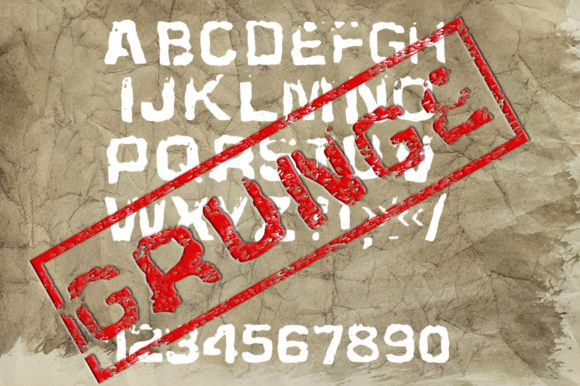
What makes a display font like Grunge so visually compelling is its inherent imperfection. Unlike the clean, geometric precision of many modern sans serif fonts, Grunge features uneven edges, subtle ink traps, and a textured quality that mimics the look of screen printing or letterpress. This isn't about being messy; it's about controlled chaos that adds depth and a tactile feel to digital and print designs. The rough texture ensures that letterforms have a presence, making them ideal for headlines that need to stand out in a crowded visual landscape. It bridges the gap between the digital and the analog, giving projects an organic, handcrafted vibe that resonates with audiences tired of generic, algorithm-driven aesthetics.
This typeface excels where authenticity is key. It carries a sense of history and craftsmanship, making it a powerful tool for brands and creators looking to establish a distinct visual identity. When used thoughtfully, it doesn't just convey a message—it evokes a mood.
Practical Applications: From Branding to Social Media
The versatility of a creative font like this is one of its greatest strengths. It’s not a one-trick pony; its bold personality can be adapted to serve a wide range of projects, each time bringing that signature edge and authenticity.
- Logo and Brand Identity: For brands in industries like artisanal food, craft brewing, outdoor apparel, music, or streetwear, Grunge can form the cornerstone of a powerful logo. It instantly communicates a brand that values authenticity, craftsmanship, and a break from corporate sterility. Paired with a simple sans serif for body text, it creates a balanced and memorable brand identity.
- Packaging Design: Imagine a coffee bag, a hot sauce label, or a vinyl record sleeve. The textured, rough feel of Grunge aligns perfectly with products that have a story, a process, or a handcrafted origin. It helps packaging stand out on a shelf by promising an experience, not just a product.
- Editorial and Print Layouts: Magazine covers, book titles, and event posters benefit immensely from a strong display typeface. Grunge can set the tone for an entire editorial layout, making feature articles on music, art, or culture feel more immersive and impactful. It’s a go-to for poster design where grabbing attention from a distance is paramount.
- Digital Presence: In the realm of web design and social media graphics, this font can be used for impactful hero sections, website headers, and bold call-to-action buttons. For Instagram quotes, YouTube thumbnails, or podcast cover art, it adds a layer of visual interest that stops the scroll and encourages engagement.
- Merchandise and Invitations: From t-shirts and tote bags to wedding invitations with a rustic or alternative theme, the font translates beautifully to physical items. It gives merchandise a desirable, boutique feel and can make invitations for events like milestone birthdays or themed parties feel unique and personal.
Integrating Grunge into Your Design Workflow
Adopting a new premium font into your toolkit is about more than just liking how it looks. It requires a practical approach to ensure it serves your project's goals effectively. Here’s how to think about using a typeface like Grunge strategically.
Matching Font Personality to Project Goals
Before you even start designing, ask yourself: what is the core personality of this project? Is it rebellious, nostalgic, rugged, or artistic? Grunge leans toward the bold, authentic, and slightly rebellious. It’s perfect for a music festival poster but might not be the right fit for a corporate law firm's annual report. Understanding this alignment is the first step in choosing the right font style for the job. Your typography is a direct reflection of the brand's voice.
The Art of Font Pairing
A display font with this much character needs a supporting cast. The key to professional typography is contrast and balance. Pair Grunge with a clean, highly legible serif or sans serif font for body copy. For example, a rugged Grunge headline paired with a classic serif like Georgia or a modern sans serif like Montserrat creates a dynamic hierarchy. The display font grabs attention, while the simpler font ensures readability for longer paragraphs. Always test your font pairings in context—create a mock-up of a business card, a social media post, or a webpage to see how they interact in a real-world scenario.
Readability and Hierarchy Considerations
While Grunge is designed for impact, readability should always be a consideration, especially at smaller sizes. Its textured nature is best showcased in larger applications like titles, subheadings, and pull quotes. For body text or small captions, switch to your paired serif or sans serif font. Establishing a clear visual hierarchy using font size, weight, and style is crucial for guiding the viewer's eye through your design and ensuring your message is communicated clearly.
Exploring the Full Typeface Family
A well-designed creative font often comes with more than just the standard uppercase and lowercase letters. Check if the Grunge font you’re using includes stylistic alternates, ligatures, or multiple weight options. These additional design assets can provide creative flexibility, allowing you to customize the look further and avoid a repetitive feel across large projects. Using different styles within the same typeface family maintains visual consistency while adding variety.
Understanding Commercial Licensing
This is a critical, practical step often overlooked by hobbyists and new entrepreneurs. If you plan to use a font for a client project, a business logo, merchandise for sale, or any commercial venture, you must ensure you have the correct commercial font license. Reputable font foundries and marketplaces are clear about their licensing terms. Using a font without the proper license can lead to legal issues down the line. Always review the EULA (End User License Agreement) before finalizing a project for commercial use.
Beyond Aesthetics: Building Recognition and Engagement
Choosing a typeface like Grunge is ultimately a strategic decision. Consistent use of a distinctive font across all brand touchpoints—from your website to your packaging to your social media graphics—builds powerful brand recognition. Your audience will begin to associate that specific visual texture with your brand's identity and values. This isn't just about looking cool; it's about creating a cohesive and professional presentation that builds trust.
Furthermore, a bold, textured font drives audience engagement. In a sea of bland, homogenized design, a unique typeface stands out. It can make a call-to-action more clickable, a social media post more shareable, and a product more desirable. It shows that you’ve put thought into your visual communication, which in turn makes your audience more likely to pay attention to what you have to say.
In the end, a font is a tool for communication. Grunge offers a specific toolset: one for conveying authenticity, energy, and a hands-on aesthetic. By understanding its strengths and applying it with intention, you can transform standard projects into compelling visual narratives that resonate deeply with your intended audience. It’s about giving your work a voice that is unmistakably, and authentically, your own.