Cowgirl Font: Bold Western Typography for Modern Design
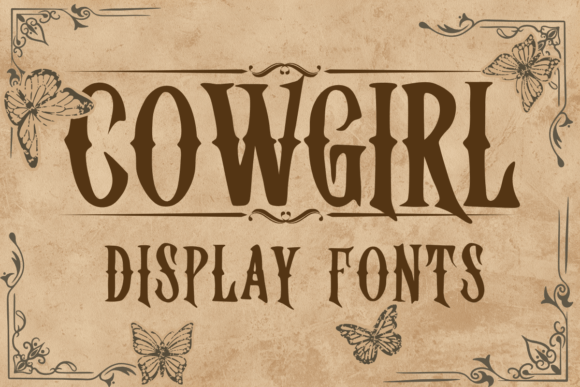
There's a certain unmistakable energy to the Old West—wide-open landscapes, rugged independence, and a spirit of adventure that still resonates today. If you've ever wanted to capture that feeling in your designs, the right typeface can do most of the heavy lifting. Cowgirl is a bold display font that channels Western heritage through thick, confident letterforms and a distinctly rustic character. It's not trying to be subtle, and that's precisely the point.
A Typeface Built for Impact
Cowgirl doesn't whisper—it announces. Its heavy strokes and strong presence make it a natural fit for projects that need to command attention immediately. Think rodeo posters, barbecue restaurant signage, craft brewery labels, or a music festival lineup. The letterforms carry a weight and structure inspired by vintage Western typography, but they've been refined enough to feel intentional rather than gimmicky.
What separates a good display font from a forgettable one is personality. Cowgirl brings a rugged warmth to headlines and titles without sacrificing clarity. Each letter is designed to hold its own at large sizes, which is exactly where display typefaces live and die. When you set a headline in Cowgirl, people notice—and they immediately understand the tone of your project before they read a single word of body copy.
Where This Font Truly Shines
The practical applications for a typeface like this are broader than you might initially expect. Sure, it's an obvious choice for anything with a literal Western or cowboy theme, but its real strength lies in evoking authenticity, craftsmanship, and boldness across many contexts.
Branding and Logo Design: If your brand identity leans into heritage, handmade quality, or Americana, Cowgirl can anchor your visual language. A leather goods shop, a ranch-to-table restaurant, or an outdoor adventure company could build an entire brand system around this kind of typographic character. Pair it with earthy color palettes and textured backgrounds, and you've got a cohesive identity that feels grounded and real.
Packaging and Product Labels: On a shelf crowded with minimal sans serif designs, a bold Western-inspired typeface stands out immediately. Small-batch hot sauces, craft spirits, artisan jerky, or specialty coffee brands often benefit from typography that signals tradition and care. Cowgirl gives packaging a tactile, handcrafted quality that resonates with consumers looking for something genuine.
Posters and Event Materials: Music events, rodeos, county fairs, themed parties, and community gatherings all benefit from type that sets the mood instantly. Cowgirl works beautifully at poster scale, where its thick strokes and distinctive character can fill a room from across a parking lot.
Social Media and Digital Content: In a feed full of clean, modern sans serifs, a bold display font stops the scroll. Instagram posts, YouTube thumbnails, Pinterest graphics, and promotional banners can all leverage Cowgirl's visual weight to grab attention in crowded digital spaces. It works especially well for quotes, announcements, and sale graphics where the headline needs to do the heavy lifting.
Merchandise and Apparel: T-shirts, hats, tote bags, and stickers all benefit from type that looks good on its own. Cowgirl's strong letterforms translate well to screen printing and embroidery, making it a practical choice for branded merchandise or print-on-demand products.
Invitations and Print Materials: Western-themed weddings, bachelorette parties, birthday celebrations, and fundraiser events need invitations that set expectations. A typeface like Cowgirl tells guests exactly what kind of experience to expect before they even check the date.
Pairing Cowgirl with Other Typefaces
No font works in isolation. The real magic happens when you combine typefaces thoughtfully. Cowgirl handles headlines and display text beautifully, but you'll need something more restrained for body copy and supporting information.
A clean sans serif font pairs naturally with this kind of bold display typeface. The contrast between the ornamental Western character and a straightforward geometric or humanist sans serif creates visual hierarchy without competing for attention. Think of it as the typographic equivalent of wearing a detailed belt buckle with simple jeans—each element plays its role.
A simple serif font can also work well, particularly if your project leans into a more editorial or traditional aesthetic. The key is contrast in weight and complexity. If your headline is doing the heavy lifting with Cowgirl, your body text should step back and let it breathe.
Test your pairings at the actual sizes they'll appear in your final design. A font combination that looks balanced on a business card might feel completely different on a website hero image or a billboard. Always check how letter spacing and line height interact between your display and body fonts.
Readability and Practical Considerations
Display typefaces like Cowgirl are designed for short, high-impact text—headlines, titles, logos, and single-word callouts. They're not meant for paragraphs, and using them that way typically creates readability problems. Respect the font's intended purpose, and it will serve you well.
Consider the background and color contrast when setting text in Cowgirl. Because the letterforms are thick and detailed, they need adequate contrast against their background to remain legible. Light text on dark backgrounds and vice versa both work, but avoid placing it over busy photographs without a solid color overlay or text container.
Letter spacing matters with bold display fonts. At very large sizes, you might want to tighten tracking slightly. At smaller display sizes, default spacing usually works fine. Always preview at the intended output size before finalizing.
Licensing and Usage Rights
Before incorporating any premium font into a commercial project, verify the licensing terms. Most professional typefaces come with clear usage guidelines covering desktop use, web embedding, and sometimes app or digital product inclusion. If you're designing for a client or selling merchandise, make sure your license covers those specific applications. This isn't the place to cut corners—proper font licensing protects both you and your work.
Many display fonts include multiple styles or weights. Check what's included with your purchase. Some Western-inspired typefaces offer inline versions, distressed variants, or alternate character sets that expand your creative options significantly. Knowing what's available lets you get more value from a single design asset.
Making It Work for Your Project
The best typography decisions start with your project's goals, not with the font itself. Ask what emotion you want to evoke, who your audience is, and where the design will live. If the answers point toward authenticity, boldness, and a connection to Western or Americana aesthetics, a typeface like Cowgirl deserves serious consideration.
Don't overuse it. One bold display font in a design system is powerful. Two or three competing for attention creates visual noise. Let Cowgirl own the spotlight in headlines and logos, and build the rest of your typography around supporting that choice.
Ultimately, the right creative font is one that serves your message and connects with your audience. Cowgirl brings a specific, confident energy that works beautifully when the context is right. Whether you're building a brand from scratch, designing event materials, or creating content that needs to stand out, this Western-inspired typeface gives you a strong foundation to build on.