Magic Font: Unicorns Hidden in Plain Sight
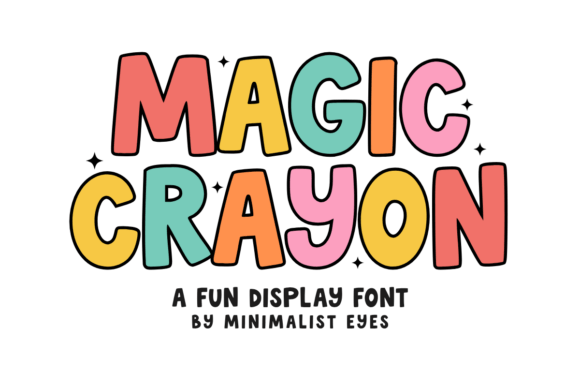
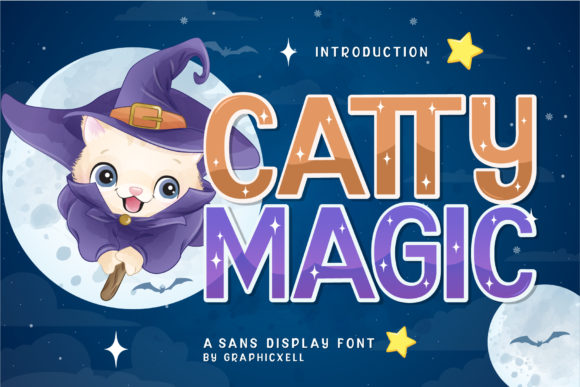
There is a specific kind of delight that happens when a child—or an adult, for that matter—spots a hidden detail in a piece of art. It is the visual equivalent of finding a prize in a cereal box. If you are working on a project that demands this level of engagement, where the typography itself becomes a talking point, you need a typeface that does more than just convey information. You need a font that tells a story. Enter Magic, a display typeface that manages to balance the clean geometry of modern sans-serif design with the dreamy whimsy of a fairy tale. It is a bold choice, certainly, but for the right project, it is the kind of creative asset that transforms a standard layout into an experience.
The Art of the Hidden Silhouette
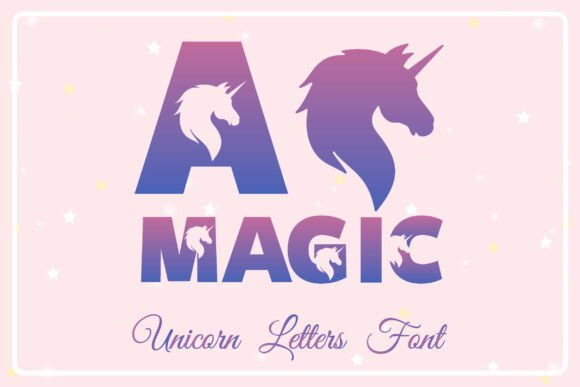
At first glance, Magic presents itself as a sturdy, bold sans-serif. The lines are clean, the weight is substantial, and it commands attention on a page or screen. However, the real genius of this design lies in the negative space. The counters—the enclosed spaces within letters like 'O', 'A', 'B', 'D', and 'P'—are not merely empty voids. They are meticulously crafted silhouettes of unicorns. This technique, known as figure-ground ambiguity, is notoriously difficult to execute well. Too often, the animal shape distorts the letter, making it unreadable. Here, the designer has managed to retain the legibility of the alphabet while embedding these mythical creatures within the letterforms.
This design philosophy aligns perfectly with the "fairytale-modern" aesthetic that is currently dominating children’s branding and boutique marketing. It avoids the trap of looking overly childish or cartoonish. Instead, it feels premium and intentional. The "sparkle-core" trend, characterized by glitz, nostalgia, and magical themes, finds a perfect partner in this typeface. It allows brands to tap into that magical vibe without resorting to tacky clip art or overly ornate scripts that can be hard to read on digital screens.
Branding Beyond the Logo: Creating a Cohesive Identity
For entrepreneurs and small business owners, font selection is not just about aesthetics; it is about strategy. A typeface like Magic is a powerful tool for brand identity, particularly if your business operates in the realm of children’s products, education, or fantasy entertainment.
Imagine a boutique toy store. The brand needs to appeal to both the children who will play with the toys and the parents who hold the credit cards. If the typography is too juvenile, parents might perceive the products as low quality. If it is too corporate, it loses the magic. Magic bridges this gap. Its sans-serif structure feels professional and clean, suitable for a modern logo design or a storefront sign, while the hidden unicorns provide that necessary element of wonder.
This typeface is also an excellent choice for packaging design. In a crowded retail environment, consumers scan shelves quickly. A bold display font grabs the eye, but a unique detail makes them stop and look closer. When a customer realizes the letters contain unicorn shapes, they form a memory connection with the brand. That interaction—however brief—builds brand recognition. It suggests that the brand pays attention to details, which implies that the product inside the package is also made with care.
Digital Applications: Social Media and Web Design
In the fast-paced world of digital marketing, stopping the scroll is the primary objective. Social media graphics are often the first point of contact between a brand and its audience. Using Magic for headers, titles, or "New Arrival" announcements can inject immediate personality into a feed. It works exceptionally well for "sparkle-core" content or seasonal campaigns, such as back-to-school or holiday promotions, where a touch of fantasy is welcome.
When it comes to web design, readability is king, but personality is the castle. While Magic is too decorative for body copy—never set a paragraph of text in a display font—it shines in hero sections and H1 headers. Because it is a sans-serif font, it scales well on mobile devices. The clean lines ensure that the letters don’t get muddy or pixelated when viewed on small screens, a common issue with intricate script fonts or highly textured display types.
However, a word of caution regarding digital use: web design requires careful consideration of load times and licensing. Always ensure you have the appropriate commercial font license for web embedding. Magic is a premium font, and using it legally ensures you support the designers who create these intricate assets while protecting your business from copyright issues.
Practical Pairings and Layout Strategy
One of the most common mistakes in editorial design and branding is using a display font for everything. Magic is a specialist. It is designed to be the hero of the page, not the narrator. To achieve a professional presentation, you must pair it with a complementary typeface for your body text.
Since Magic has a bold, playful, and slightly rounded personality, it pairs best with a neutral, highly legible sans-serif or a simple serif. You want the body text to recede, allowing the headers to pop.
- The Clean Modern Pair: Pair Magic with a geometric sans-serif like Montserrat or Poppins. This keeps the look fresh, airy, and modern. It works well for digital products and social media graphics.
- The Classic Contrast: Pair Magic with a traditional serif like Georgia or Merriweather. This creates a "storybook" feel, perfect for fantasy book cover titles or invitations. The serif adds a touch of gravity that grounds the whimsy of the display font.
When designing marketing assets like flyers or posters, pay attention to kerning (the space between letters). Display fonts often require manual kerning adjustments to look perfect, especially at large sizes. Ensure the unicorn silhouettes are visible and not squashed together. The goal is to let the viewer discover the hidden art; if the letters are too tight, the magic gets lost.
Merchandise and Print: Beyond the Screen
The versatility of Magic extends into physical goods. For merchandise such as t-shirts, tote bags, or stickers, this font offers a unique selling point. It isn't just a word; it's a graphic element. This reduces the need for additional illustration in some cases. A single word written in Magic can be the focal point of a t-shirt design.
For print materials like birthday party invitations or educational worksheets, the font brings a sense of occasion. It signals to the reader that this is not a standard document; it is something special. Whether you are a crafter making personalized gifts or a teacher creating classroom decor, the "fairytale-modern" vibe fits a wide range of creative projects.
Ultimately, choosing a typeface like Magic is about choosing to delight your audience. It is about understanding that typography is not just a utility, but a vessel for emotion and storytelling. By integrating these hidden unicorns into your design, you are inviting your audience to look closer, to smile, and to engage with your brand on a deeper level. It is a small detail, but in the world of design, the details are where the real magic happens.