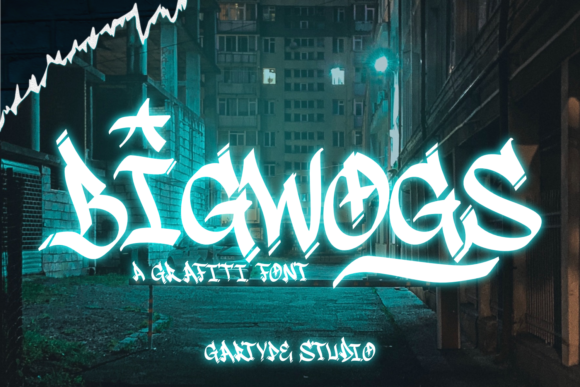
Bigwogs: A Fresh Take on Graffiti Typography for Modern Creators
There’s a particular energy that only street art can bring to a design. It’s raw, expressive, and impossible to ignore. That same vibe is now available as a typeface, ready to inject life into your next project. Imagine a font that doesn’t just sit on the page but practically leaps off it. This is the essence of a graffiti-styled display typeface—a tool built for impact, personality, and creative freedom. Whether you’re crafting a bold logo, designing eye-catching merchandise, or creating social media posts that stop the scroll, this style offers a unique blend of urban edge and artistic flair that’s hard to find in more traditional fonts.
Capturing Urban Energy in Your Designs
The visual appeal of a graffiti-inspired typeface lies in its dynamic, handcrafted feel. Unlike rigid geometric fonts, each letterform often carries a sense of movement and individuality. The strokes can be bold and fluid, with slight variations that mimic the action of a spray can or marker. This isn’t just about looking cool; it’s about conveying emotion. A font like this communicates confidence, creativity, and a break from the conventional. It’s the typographic equivalent of a vibrant mural on a city wall—something that demands attention and tells a story before a single word is even read.
For designers and brand strategists, this style is a secret weapon for differentiation. In a sea of clean sans-serifs and elegant serifs, a bold, graffiti-style display font instantly sets a brand apart. It’s perfect for companies targeting a younger, trend-aware demographic or those in creative industries like music, streetwear, art, and entertainment. The font itself becomes a core part of the brand identity, signaling that the brand is approachable, innovative, and not afraid to stand out. When used consistently across touchpoints, it builds immediate recognition and a strong, memorable personality.
Practical Applications for Maximum Impact
The true test of any creative asset is its versatility. Where does a font like this actually work? The answer might surprise you with its range. Its primary strength is in high-impact, short-text applications where personality is key.
Logo and Brand Identity: This is where the font shines. A well-chosen graffiti-style wordmark can become the cornerstone of a brand’s visual system. It’s ideal for logos for skate shops, music labels, urban clothing lines, indie game studios, or any business that wants to project an energetic and youthful image.
Packaging and Merchandise: On product packaging, especially for items like craft beverages, snacks, or cosmetics aimed at a vibrant audience, this font style can create instant shelf appeal. Think bold product names on a coffee bag or a dynamic headline on a t-shirt. It adds a layer of cool that consumers connect with.
Digital Presence and Marketing: In the digital realm, attention is the currency. Use it for hero sections on websites to make a powerful first impression. In social media graphics, it’s perfect for announcements, quotes, or sale promotions that need to cut through the noise. For email marketing headers or digital ad creatives, it boosts click-through rates by being visually arresting.
Print and Editorial Design: Don’t limit it to digital. For posters, event flyers, magazine headers, or editorial layouts in publications about art and culture, this typeface adds a contemporary, edgy tone. It can also bring life to invitations for parties, concerts, or gallery openings, setting the right mood from the start.
Pairing and Practicality: Making It Work
Using a bold display font effectively requires some strategy. Its strength is in headlines and short bursts of text; using it for long paragraphs would sacrifice readability. The key is pairing. A common and effective approach is to combine the graffiti-style font for headlines with a clean, highly readable sans-serif or serif font for body text. This creates a beautiful contrast—the personality of the display font draws the eye, while the supporting font ensures the message is easily consumed.
Before finalizing any project, always test the font in context. View it at different sizes, on various backgrounds, and alongside other design elements. Does it maintain its clarity? Does the style align with the project’s overall goal? For instance, a playful, rounded graffiti font might suit a children’s event, while a sharper, more angular style fits a tech startup’s launch campaign. Checking the included font files is also crucial; many premium font packages include multiple styles, weights, or even alternates and ligatures that give you more creative control.
One critical consideration is licensing. If you’re using the font for commercial projects—a client’s logo, a product for sale, or marketing materials—you must ensure you have the correct commercial license. Reputable font designers and foundries provide clear licensing terms. Respecting these terms not only keeps your project legal but also supports the artists who create these valuable design assets.
Building a Cohesive Visual Language
Ultimately, typography is a fundamental pillar of visual communication. The right font choice does more than decorate; it communicates values, sets a tone, and guides the viewer’s experience. A creative, graffiti-styled typeface is a powerful tool for specific goals. It helps create visual consistency when used as part of a defined brand system, making every piece of communication feel unified. It enhances brand recognition because a distinctive font is easier to remember than a generic one. And when used correctly, it boosts audience engagement by making content feel more dynamic and relatable.
Think of your font library as a toolkit. You wouldn’t use a hammer for every task. Similarly, you wouldn’t use a graffiti display font for a legal contract. But for the right project—when you need to convey energy, creativity, and a bold perspective—it’s the perfect tool for the job. It’s about matching the typography to the project’s personality and the audience’s expectations. In doing so, you move beyond just making something look good; you start crafting a complete and compelling visual story.