Blanko: The Dramatic Brush Font for Bold Creations
A Typeface with Personality and Purpose
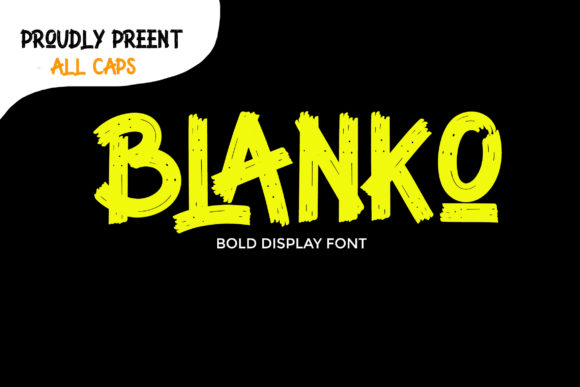
There’s something magnetic about a font that refuses to blend into the background. Blanko is exactly that kind of typeface—a dramatic, paint-brushed display font that carries an unmistakable energy from the moment you see it. Whether you’re designing a logo for a new coffee brand, crafting social media posts for a fitness studio, or putting together event invitations, this font has a way of making every letter feel intentional and alive.
What sets Blanko apart isn’t just its visual flair. It’s the combination of raw, hand-painted texture with a surprisingly structured baseline that keeps it readable and versatile. You get the warmth and authenticity of a handcrafted aesthetic without sacrificing clarity. That balance is harder to find than most people realize, and it’s precisely what makes this display font worth a closer look.
Where Painted Texture Meets Modern Design Needs
Modern typography trends lean heavily toward authenticity. Audiences respond to designs that feel human, imperfect, and real—especially in a landscape saturated with sterile, corporate-looking typefaces. Blanko taps into that desire with its visible brush strokes and organic character shapes. Each letter feels like it was painted by hand, which instantly adds personality to any project.
But here’s what really matters for practical use: Blanko isn’t just a pretty face. It works across an impressive range of applications. Consider these real-world scenarios where a creative font like this can make a tangible difference:
- Logo design for artisan brands, breweries, barbershops, or boutique studios that want to convey craftsmanship
- Packaging design for specialty foods, cosmetics, or handmade goods where shelf appeal drives sales
- Social media graphics that need to stop the scroll and communicate energy in a split second
- Poster design for events, concerts, product launches, or gallery exhibitions
- Merchandise like t-shirts, tote bags, and moods where bold lettering becomes the design itself
- Invitations and announcements that call for something more expressive than a standard script font
The texture of Blanko gives it a tactile quality that works beautifully in both digital and print contexts. On screen, it pops with dimension. On paper, especially textured or matte stock, it looks absolutely stunning.
Strengthening Brand Identity with the Right Typeface
If you’re building a brand from scratch—or refreshing an existing one—your choice of typography plays a bigger role than you might think. Fonts communicate tone, values, and positioning before a single word is read. A premium font like Blanko signals that a brand is bold, creative, and unafraid to stand out.
Think about how you want your audience to feel when they encounter your brand. A paint-brushed typeface like Blanko evokes energy, movement, and artistic confidence. It’s ideal for brands in creative industries, outdoor lifestyle, streetwear, music, food and beverage, or any space where personality matters as much as professionalism.
Visual consistency is another critical piece. When you commit to a font family and use it across your website, business cards, social channels, and marketing materials, you build recognition. People start associating that particular style with your brand. Blanko, with its distinctive brush character, becomes instantly recognizable—making it a powerful tool for long-term brand identity development.
Practical Tips for Using Blanko Effectively
Every font has strengths and limitations. Knowing how to work with them is what separates good design from great design. Here are some grounded recommendations for getting the most out of this brush font:
Size Matters
Blanko is a display font, which means it’s designed to shine at larger sizes. Use it for headlines, titles, hero text, and focal elements. At smaller sizes, the brush texture can become muddy and hard to read. For body copy or longer paragraphs, pair it with a clean sans serif font or a simple serif font that provides contrast and legibility.
Font Pairing Strategy
The best font pairings create visual hierarchy and balance. Since Blanko is expressive and textured, it pairs well with typefaces that are more neutral and structured. Try combining it with a geometric sans serif for a modern look, or a classic serif for something more refined. Avoid pairing it with other highly decorative or handwritten fonts—that combination tends to feel chaotic rather than intentional.
Color and Background
Brush fonts like Blanko often look best against clean, uncluttered backgrounds. Solid colors, subtle gradients, or simple photographic backdrops allow the letterforms to breathe. Be mindful of contrast—light text on light backgrounds or dark text on dark backgrounds will diminish the impact of those beautiful brush details.
Spacing and Layout
Because of its textured edges, Blanko may benefit from slightly increased letter spacing in certain contexts. Test different tracking values to find the sweet spot where the letters feel connected but not cramped. Generous margins and breathing room around the text will also help the font feel intentional rather than overwhelming.
Check What’s Included
Before committing to any font for a project, review the full character set. Look at uppercase and lowercase letters, numbers, punctuation, and any alternate characters or ligatures that might be included. Understanding the full range of what’s available helps you make smarter design decisions and avoid surprises mid-project.
Beyond Aesthetics: The Business Case for Quality Typography
Investing in quality design assets isn’t just about making things look good—it’s about communication. Typography influences how people perceive your credibility, attention to detail, and professionalism. A poorly chosen or overused free font can undermine an otherwise solid design. Conversely, the right commercial font can elevate a simple layout into something memorable.
For small business owners and entrepreneurs, this matters even more. You’re often competing against brands with larger budgets and dedicated design teams. Thoughtful typography is one of the most accessible ways to level the playing field. A font like Blanko gives you a distinctive voice without requiring a custom lettering commission.
Content creators and marketers face a similar challenge. Every post, email, and landing page is an opportunity to reinforce your visual identity. Using a consistent, well-chosen typeface across your marketing assets builds familiarity and trust with your audience over time.
Understanding Licensing for Commercial Projects
One practical consideration that often gets overlooked is font licensing. If you plan to use Blanko—or any premium font—for commercial purposes, make sure you understand the license terms. Most font licenses cover specific use cases: desktop use, web use, app embedding, and merchandise production may each require different permissions.
Read the license agreement carefully before purchasing. Look for details about the number of users, allowed platforms, and whether the license covers physical products. Some licenses restrict use on print-on-demand merchandise, while others are more permissive. Getting this right upfront protects you legally and ensures your investment is worthwhile.
If you’re working with clients as a designer or agency, confirm whether the license allows you to use the font in projects delivered to third parties. Some licenses require the end client to purchase their own copy. Clarifying these details early prevents headaches later.
Making Blanko Work for Your Next Project
The beauty of a font like Blanko lies in its versatility within the right context. It won’t be the right choice for a legal document or a medical brochure—but that’s not what it’s built for. It’s built for projects that demand attention, spark emotion, and leave a visual impression.
Whether you’re designing editorial layouts for a lifestyle magazine, building a web design mockup for a creative agency, or producing digital products like printable art or social media templates, Blanko brings a level of character that generic fonts simply can’t match.
The best approach is to experiment. Download it, test it in your actual project context, and see how it interacts with your other design elements. Typography is ultimately about relationships—between letters, between fonts, and between the text and its audience. Blanko has the personality to start a conversation. How you use it determines the story that gets told.